Last October, I bought a 25-foot flagpole, and I should probably be honest about why, because there were two reasons and one of them is a little embarrassing.
The first reason is vain. I just thought a tall flagpole would make my house look super elegant and rich looking. You know the houses — the ones where you pull up and the whole place just looks finished, like somebody thought about the yard and not just the house. I wanted that feeling every time I came home.
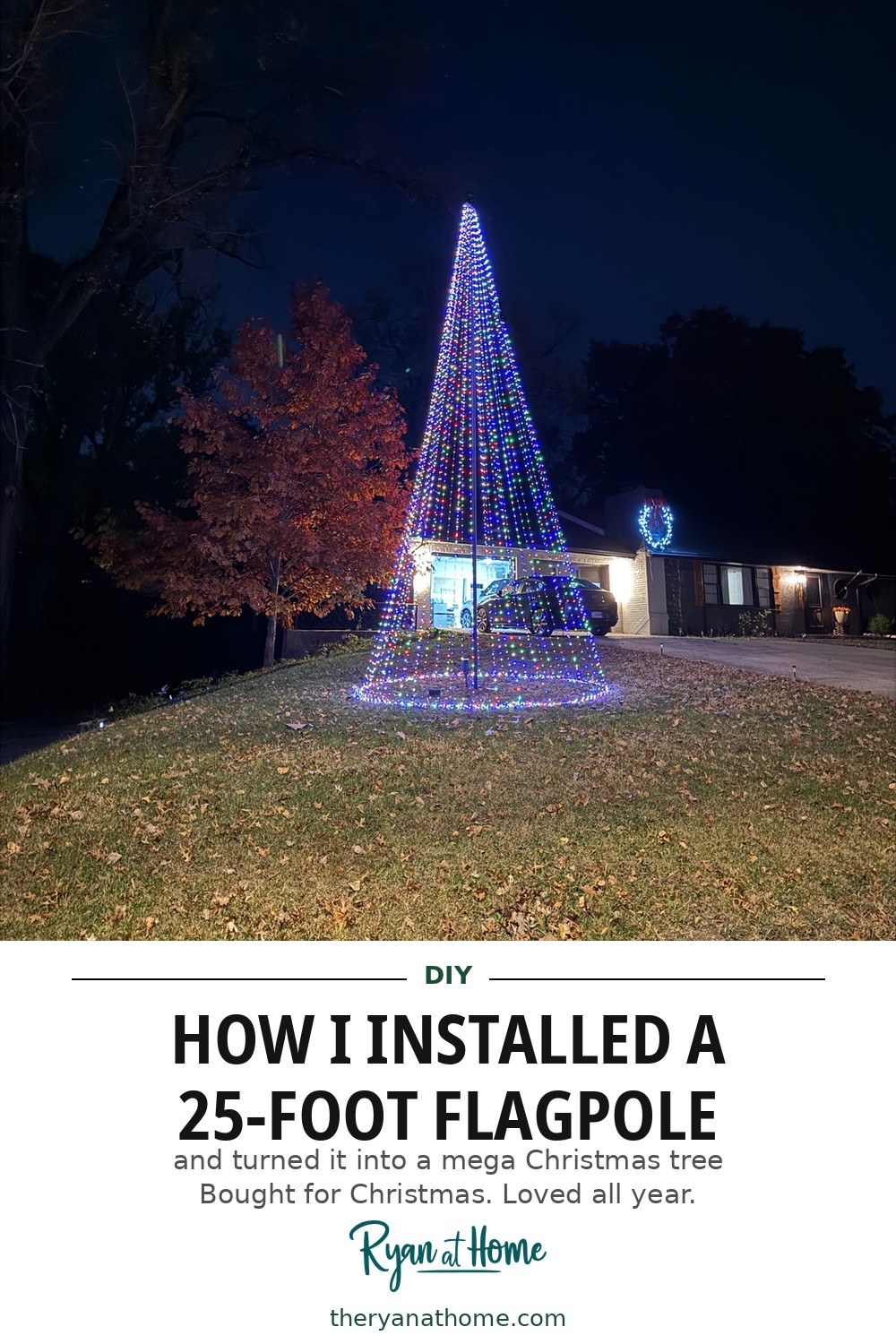
The second reason is the real one, and it’s the reason this post exists: I wanted to make a 25-foot mega Christmas tree.
I’d had the idea in my head for a while. A flagpole is already tall, already sturdy, and already standing exactly where you want a giant tree to be. Come November, instead of buying some enormous artificial tree or trying to light a real tree that’s way too tall to reach, you just turn the pole into the tree. Lights from the top, fanning all the way down to a wide ring on the ground, and suddenly your front yard has a 25-foot Christmas tree that you can see from down the street.
So last October, I ordered the pole, and I installed it with one goal in mind: be ready for November and December. What I did not expect — and this is the part that surprised me — is that I would end up loving the flagpole all year, not just at Christmas. More on that in a minute. First, the install, because if you’re thinking about doing this yourself, I want you to know how easy it actually was.
What I bought
The flagpole itself came from Amazon — this is the exact one I got: 25-foot flagpole at https://link.amazon/B0dTXGtRB
From Home Depot, I picked up a bag of gravel and fast-setting concrete. I specifically went for the fast-setting kind because I am super impatient. Regular concrete wants you to wait overnight, and I am not that person. The fast-setting stuff dries in about two hours, which meant I could start this project and actually finish it the same day instead of staring at a hole in my yard all night wondering if it was going to work.
What you need:
- A 25-foot flagpole kit (link above)
- A bag of gravel
- About three bags of fast-setting concrete
- A shovel
- A level
That’s it. No crew, no special equipment, no contractor. Just me, a shovel, and an afternoon I decided to spend outside.
Step 1: Dig the hole
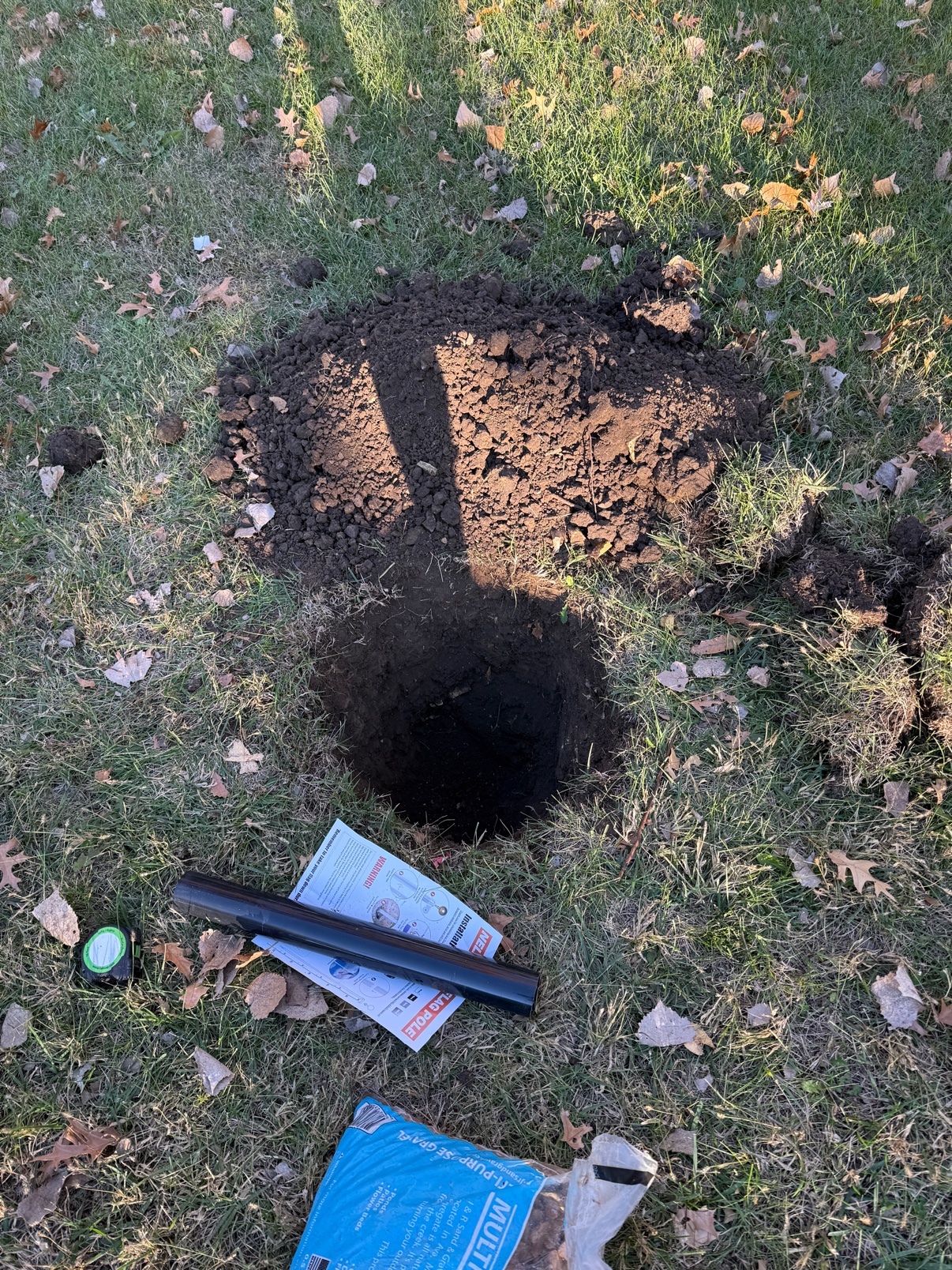
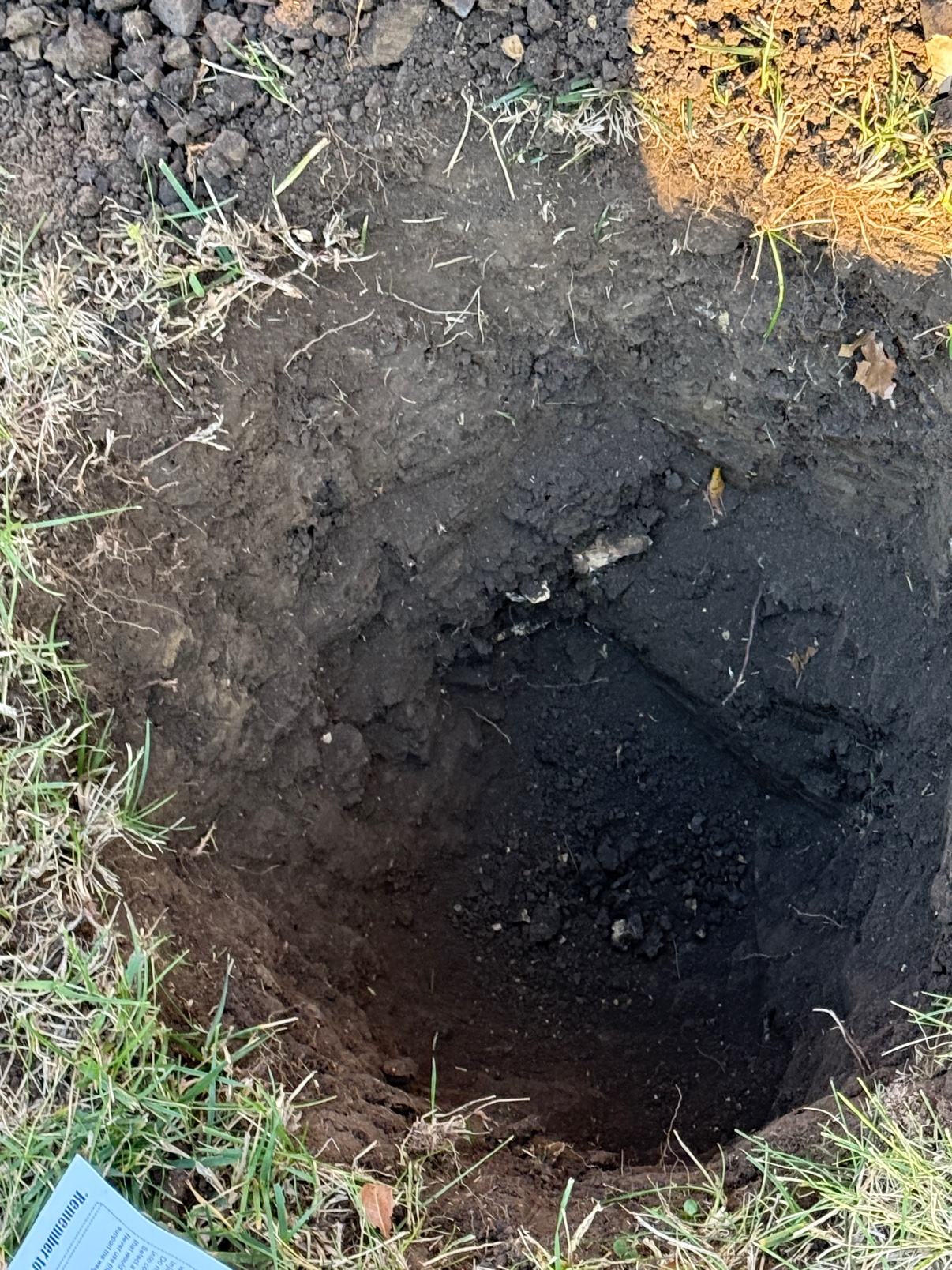
I dug a hole about 24 inches deep, following the instructions that came with the flagpole. This is the least glamorous part of the whole project and also the most important one, because everything else depends on this hole being right.
There’s something weirdly satisfying about this step, though. You’re standing in your yard with a pile of dirt next to you, and it finally feels real — like, okay, this is actually happening, there is about to be a 25-foot pole here.
Quick tip before you start digging: make sure you know what’s underground in that spot before you put a shovel in the ground. It’s the boring advice, but it’s the advice that keeps a fun Saturday project from turning into a very bad phone call.
Step 2: Gravel at the bottom
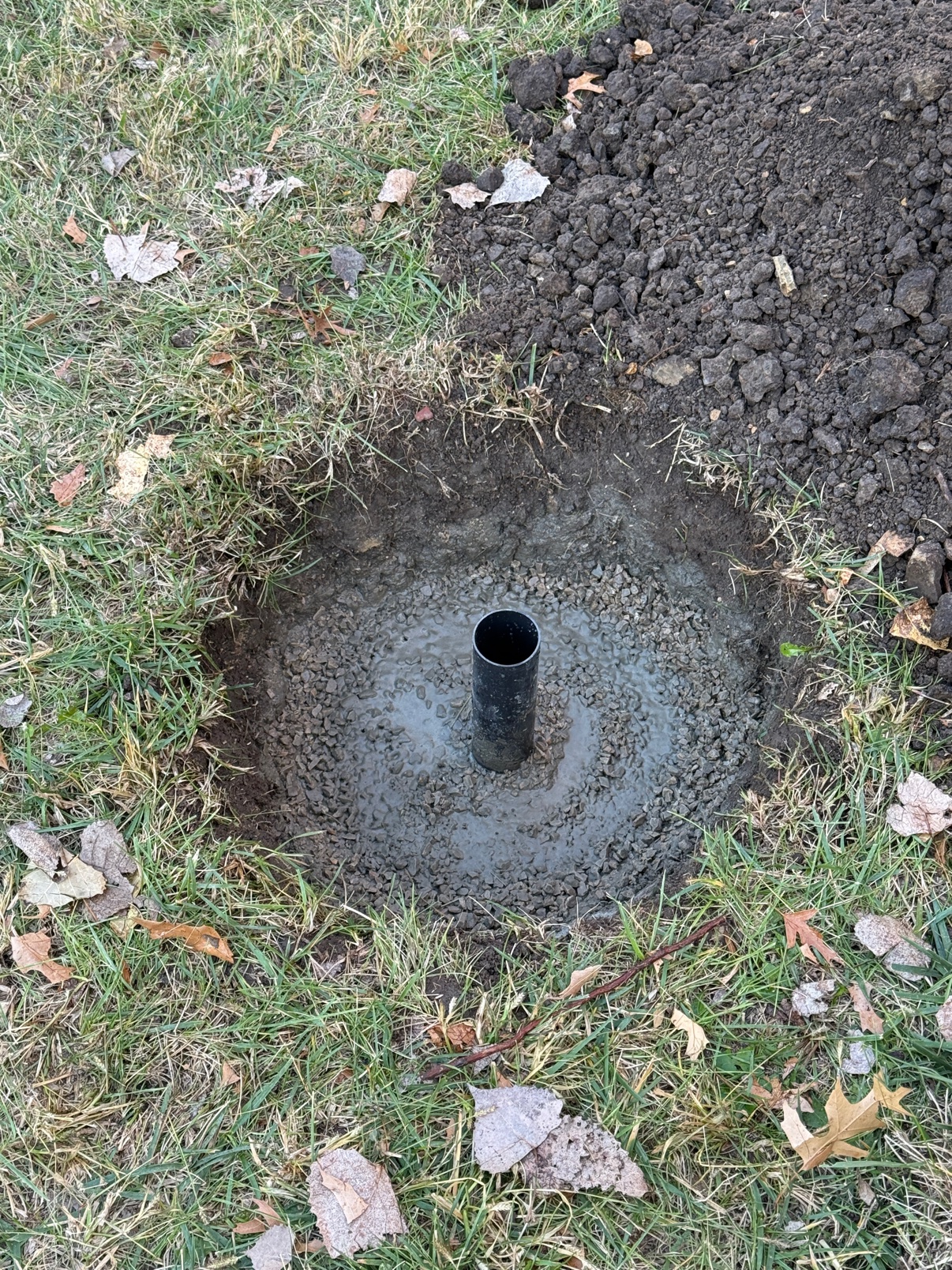
I put a bag of gravel down at the bottom of the hole. This gives the base drainage and something solid to sit on, so the sleeve isn’t just sitting in mud. It’s a small step and it’s easy to skip, but it’s the difference between a pole that stays put for years and a pole that starts leaning after the first hard rain.
Step 3: Set the sleeve and check the level
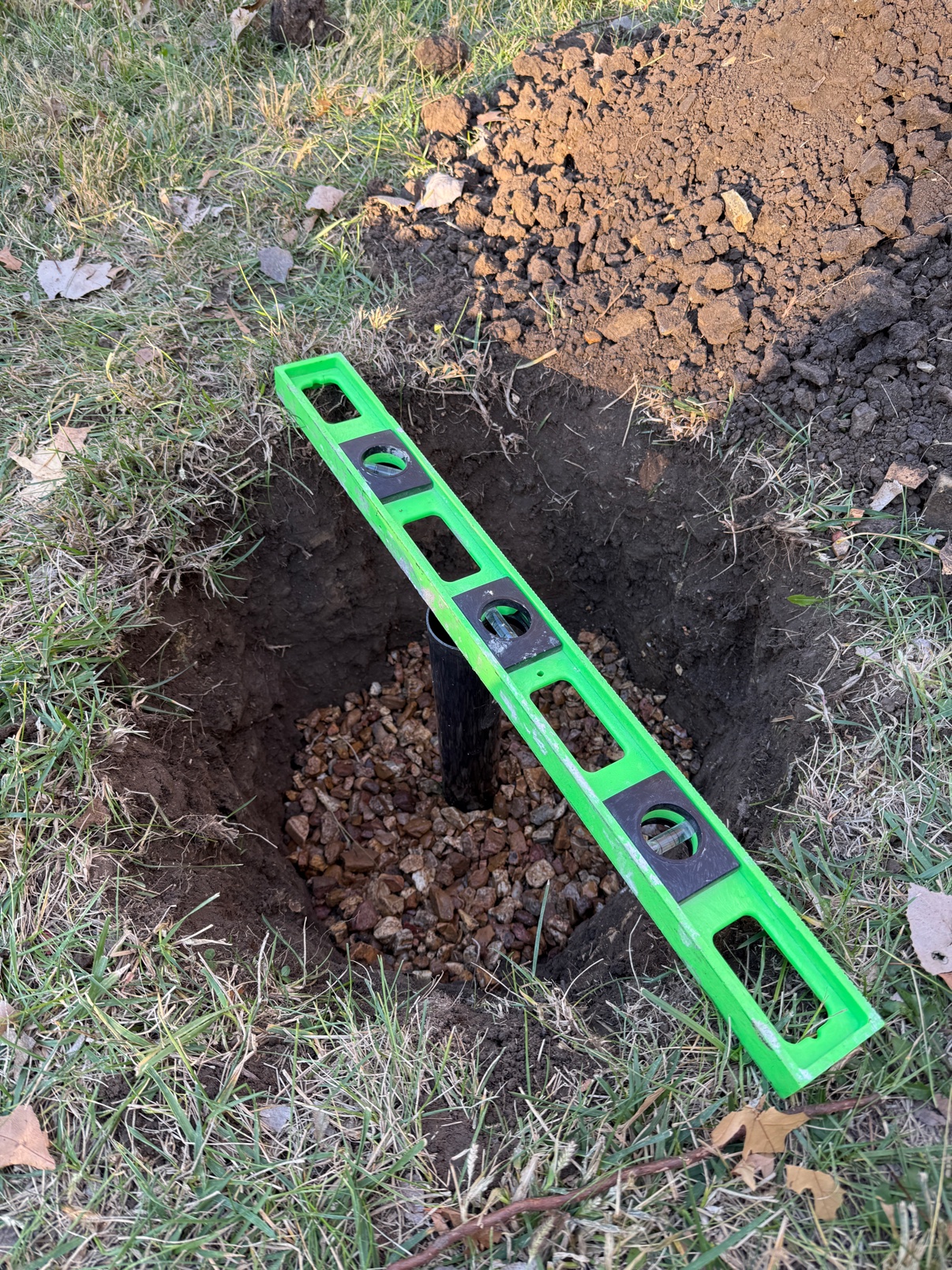
Then I set the ground sleeve in the hole and made sure it was level. And then I checked it again. And then, because I know myself, I checked it one more time.
Here’s the thing about this step: once the concrete goes in, there is no adjusting it. A leaning flagpole is forever, and a leaning 25-foot flagpole is forever and very visible. So this is the step to slow down on, even if — like me — slowing down is not your natural speed. Get the level right, walk around it, look at it from a couple of angles, and only then move on.
Step 4: Concrete it in
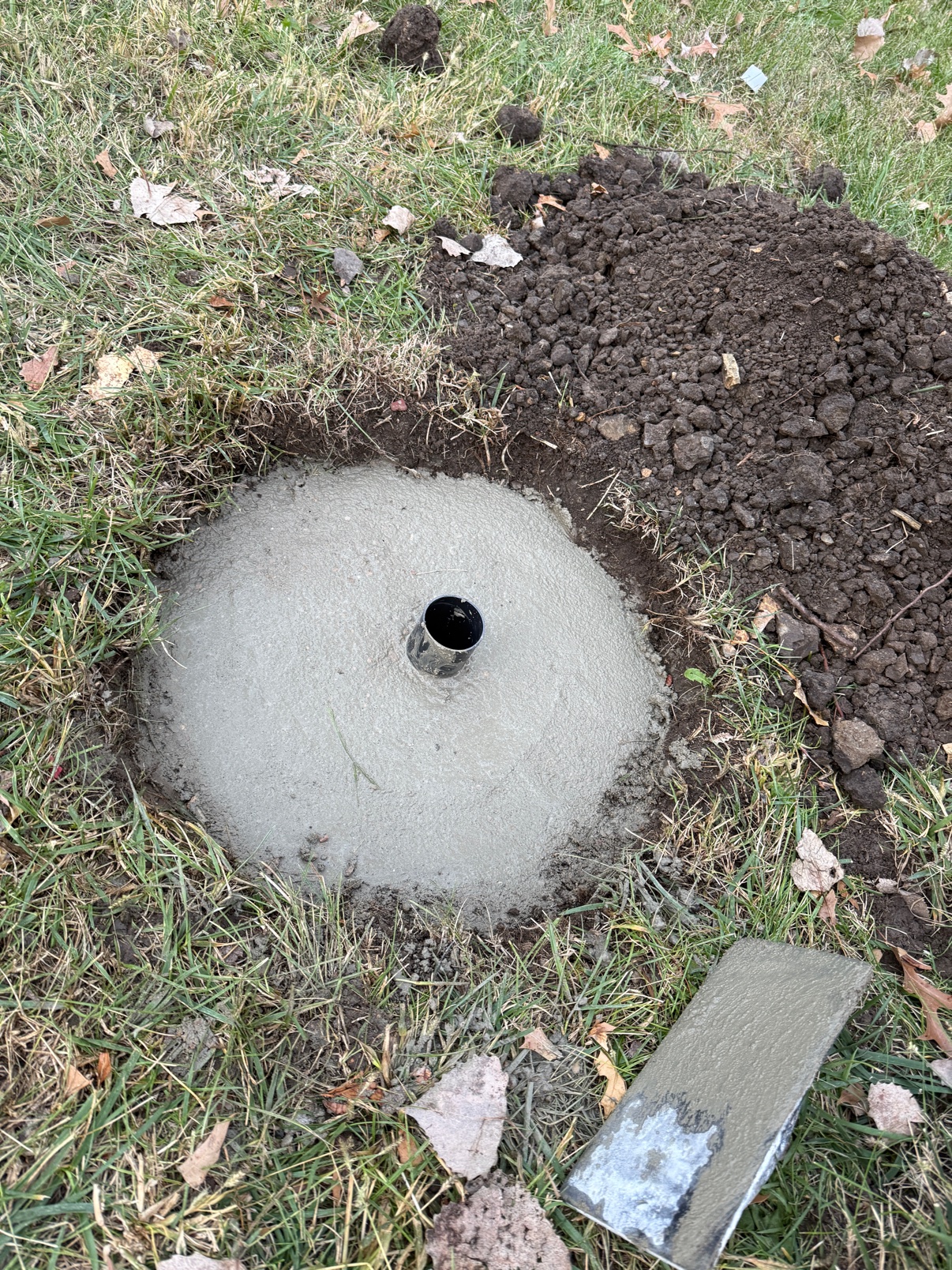
I used about three bags of concrete in total, poured in around the sleeve. And because I used the fast-setting kind, it was set in around two hours. No waiting overnight. No worrying about it all evening. By the time I was done cleaning up, the hardest part of the project was already behind me.
Step 5: Let it set, then raise the pole
Once the concrete was set, the pole went up. And that was it. The whole project, from the first shovel of dirt to a standing flagpole, happened in one day.
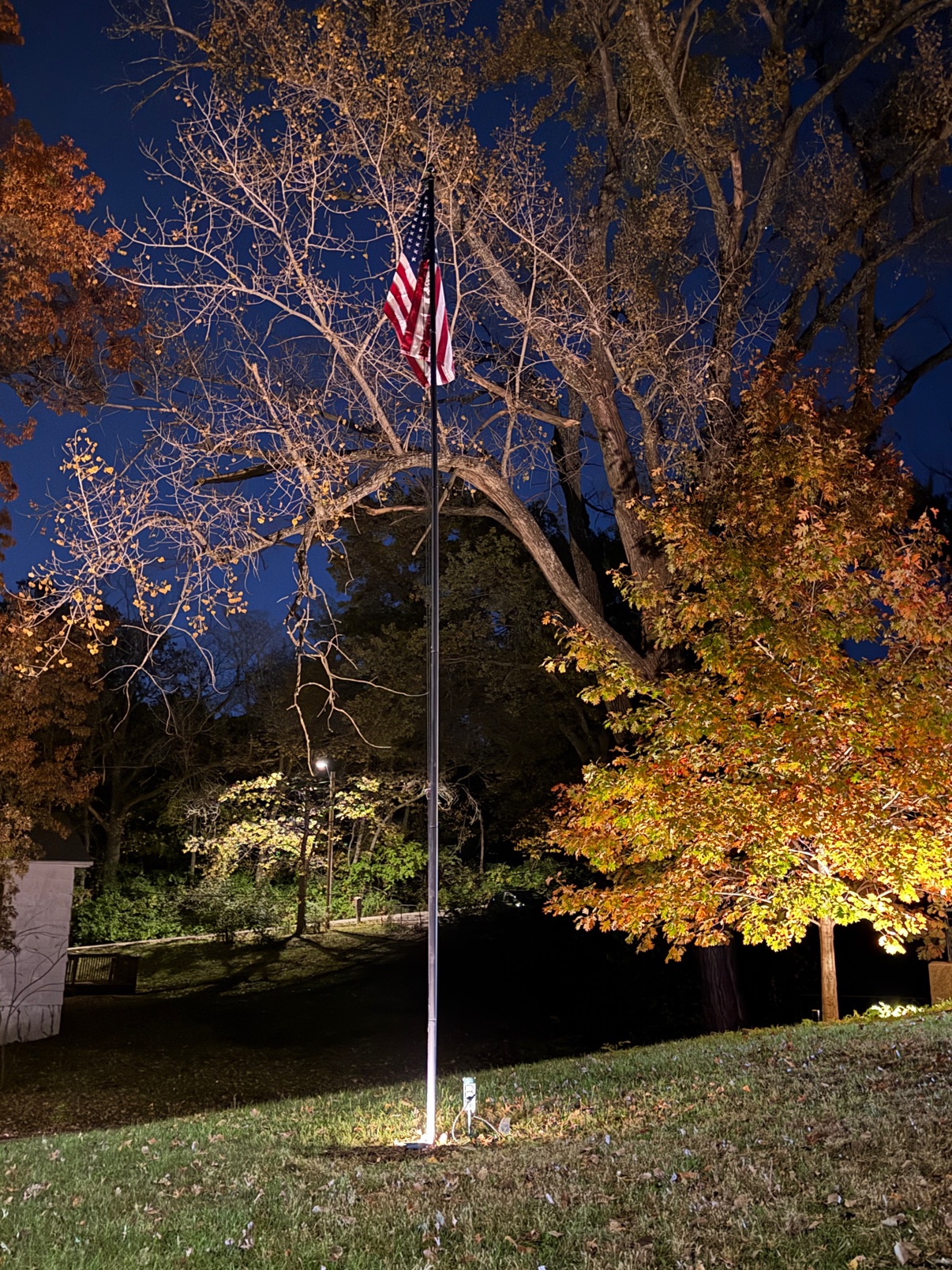
I still remember standing back and looking at it that first night — the flag up, lit, and the house just looking different. More finished. More like the houses I used to drive past and admire. The vain reason, it turns out, was not wrong. It really did make the house look more elegant.
The part I didn’t expect: loving it all year
Here’s the surprise. I bought this pole for Christmas. I fully expected it to be a November-and-December thing that I mostly ignored the rest of the year.
Instead, I have loved having it all year. There’s a flag flying in my front yard every single day, and on a summer evening when it’s lit up at night, the whole yard just feels alive in a way it didn’t before. It’s one of those projects where the thing you built for one reason quietly becomes part of your everyday life for a completely different reason. I look out at it all the time, and a year later, I still love seeing it there.
If you’re on the fence about a flagpole because you think you’ll only care about it on holidays, that’s the part I’d want you to know. The holidays are the excuse. The everyday part is the payoff.
And then, the mega Christmas tree
But let’s be honest — come November, the flagpole earned its real keep.
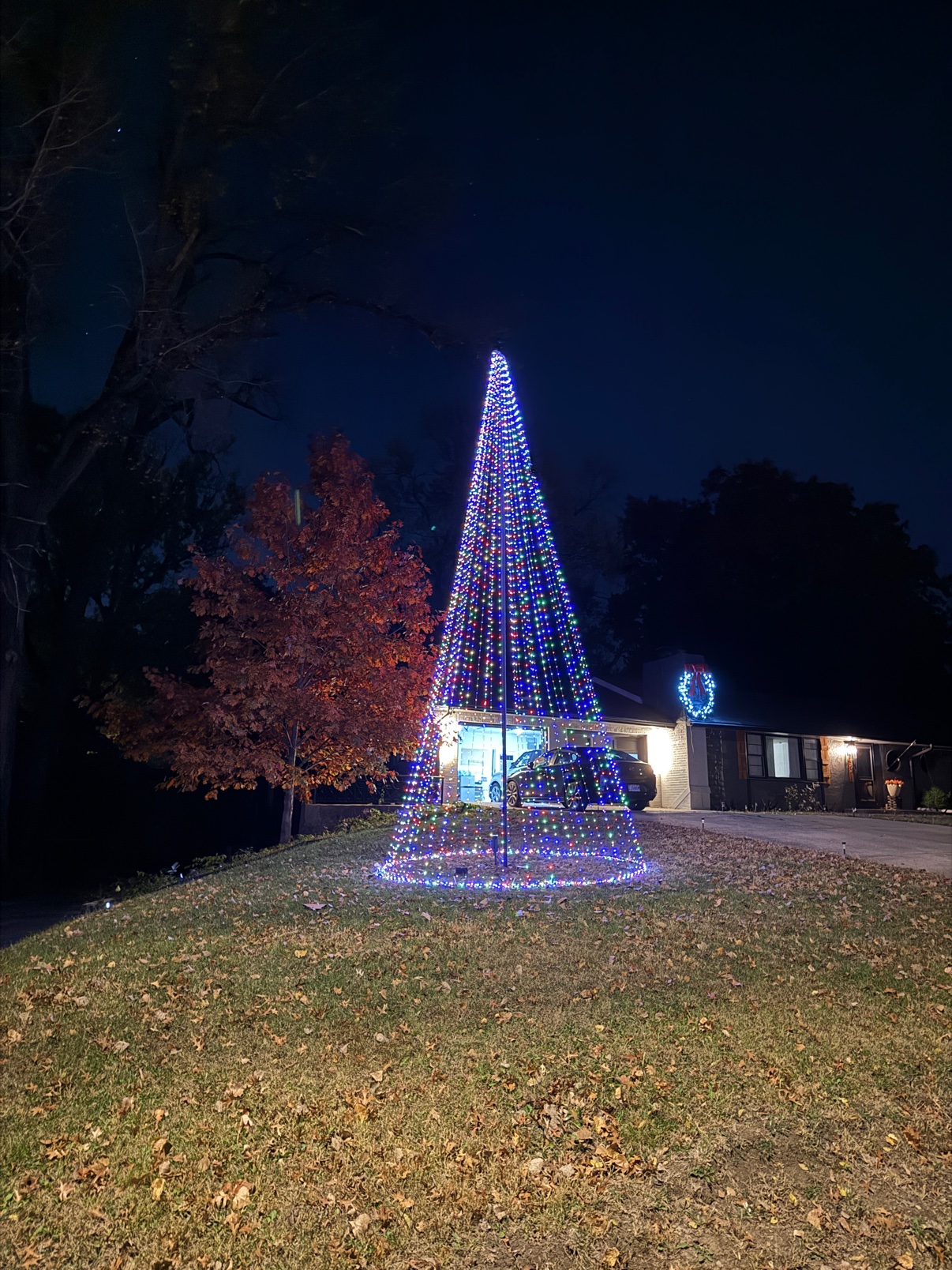
I turned it into a 25-foot mega Christmas tree, with strings of lights running from the top all the way down to a wide ring on the ground, and it was the centerpiece of the whole yard all through December. It was huge, it was bright, and it was the first thing anyone saw coming up the street. The house, the wreath lit up beside it, the whole yard glowing — it looked like a Christmas card.
And here’s the best part: when the season was over, I didn’t have to take down a giant tree, find somewhere to store it, or deal with a dead tree in January. I just took the lights down, and the flagpole went right back to being a flagpole. The tree was free, in a sense, because the pole was already there. Install it once, and every year you get the tree for free.
If you’ve ever wanted a giant outdoor Christmas tree without buying a giant tree, a flagpole is honestly the cheat code.
Would I do it again?
Yes, without hesitating — and I’d do it exactly the same way. Same pole, same gravel, same fast-setting concrete, same obsessive level-checking. The only thing I’d change is that I would have done it sooner, because I spent a whole year imagining this project before I finally just dug the hole.
So if you’ve been thinking about it, this is your sign. Dig the hole. Check the level twice. And then enjoy the part nobody tells you about — the eleven months a year when it’s not a Christmas tree at all, and it’s still one of the best things in your yard.
If you want to do the same thing, here’s the flagpole I used: 25-foot flagpole on Amazon at https://link.amazon/B0dTXGtRB